Add Row
Add Element
cropper
update
Home Owners Vibes
update
Add Element
  • Home
  • Categories
    • interior
    • decor
    • inspiration
    • atmosphere
    • trends
    • design
    • comfort
    • Food & Travel
    • House Hold Tips & Ideas
    • home
    • Home Improvement Tips
    • Roofing & Exterior Maintenance
    • Interior Remodeling & Design
    • Budgeting & Financing for Home Projects
    • Hiring & Working with Contractors
    • Landscaping
    • Garden
    • Real Estate
August 13.2025
3 Minutes Read

Unlock the Secret to Affordable Mansions Under $1 Million in America

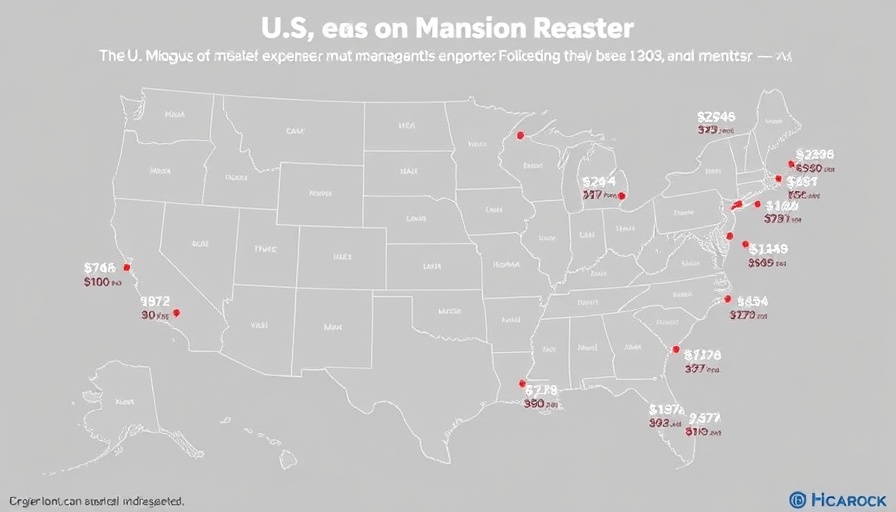
Map showing metros with affordable mansions under $1 million.

Discover Affordable Mansions: Four Hidden Gems in the U.S.

For many, the dream of owning a mansion often feels just that: a dream. Prices in popular metropolitan areas like New York and San Francisco appear to reach astronomical heights, with average mansions costing well over $4 million. However, a recent analysis from Zillow uncovers four U.S. cities where buyers can snag a mansion for under $1 million. Welcome to Buffalo, Indianapolis, Cleveland, and Memphis, where homebuyers can find sizable properties that redefine what is achievable in today’s real estate market.

Understanding the Shift in Mansion Pricing

Before we dive into the specifics, it's worth noting the broader context. Nationally, the median price for a mansion — defined as a property boasting at least 5,000 square feet of finished living space — surpasses $1.4 million. Furthermore, just two years ago, nearly half (45.1%) of mansions could be acquired for less than $1 million. Today, that figure has shrunk to only 30.3%. This shift has left potential homeowners navigating a more competitive and costly landscape, positioning small homes at million-dollar prices across many major coastal markets.

The Affordability Factor: What $1 Million Can Get You

In the four metropolitan areas mentioned, homebuyers are still finding remarkable deals. In Buffalo, a median mansion is priced at $825,500, while in Cleveland, it’s just under $1 million at $995,200. Memphis and Indianapolis also join the ranks with median mansion prices around $996,700 and $965,500 respectively. This affordability allows buyers to explore expansive properties with features that would typically demand a much heftier price tag elsewhere.

What Drives Buyers’ Preferences Today?

The COVID-19 pandemic has altered buyer priorities significantly. The surge in remote working has led many individuals to seek out homes with ample space for work, leisure, and outdoor activities. As Kara Ng, a senior economist at Zillow, remarks, buyers now value functional space over excess, demonstrating priorities that have shifted dramatically over recent years.

Atlanta: A Mansion Market with High Inventory

Leading the pack is Atlanta, boasting more than 21,000 mansions available for under $1 million. Those numbers stand out, especially when compared to New York, which has approximately 12,500. Despite Atlanta's high total, the share of these mansions under $1 million still falls below 35%, indicating a competitive environment. Homebuyers looking for areas that balance space and affordability should actively consider Atlanta as a prime opportunity.

Comparing the Coasts: What $1 Million Means in Different Markets

To truly grasp the value of a $1 million mansion, it is essential to contrast these findings with markets in California. For example, in San Jose, a median mansion costs a staggering $6.5 million, making a $1 million budget barely enough for a down payment. Such comparisons not only highlight the disparities among different regions but emphasize just how valuable these four identified markets can be for savvy homebuyers.

Final Thoughts: Is It Time to Follow the Trends?

Owning a mansion might not be the distant fantasy it once seemed. With the recent shifts in the real estate landscape, buyers can find spacious, luxurious homes at an affordable price in certain metros. For homeowners focused on maximizing their investment, now may be the best time to recognize these hidden gems and make a move.

Those interested in homeownership in these areas should conduct thorough research, not only on the properties themselves but also on the locations and community enhancements that can be found. Entering into a market with high inventory and relatively low prices could yield tremendous long-term benefits, and now is a golden opportunity to explore this possibility.

Real Estate

7 Views

0 Comments

Write A Comment

*
*
Related Posts All Posts
12.27.2025

Why 75% of Homes Are Now Out of Reach for Buyers

Update The Housing Affordability Crisis: Are You Affected? In 2023, an alarming trend emerged in the housing market—75% of homes were deemed unaffordable for the average American buyer. This alarming statistic has profound implications for current homeowners and potential buyers alike. The issue is not just about prices but reflects a severe disconnect between wages and the escalating costs of homeownership. Unpacking the Numbers: What Do They Mean? A report by Redfin found that only 15.5% of homes for sale met the affordability criteria for the typical U.S. household. This benchmark defines a home as affordable when mortgage payments do not exceed 30% of the average household income. This number represents a dramatic drop from pre-pandemic levels, underlining the financial strain many households face while attempting to navigate the housing market. Understanding the Root Causes of Home Affordability Issues The affordability crisis is driven by a combination of soaring home prices and rising mortgage rates. While interest rates have decreased from their earlier peaks, they still remain elevated compared to historical norms. Moreover, the Fed’s aggressive policy measures to control inflation have inadvertently intensified affordability problems, leading to higher ownership costs, while many current homeowners are reluctant to sell due to their lower mortgage rates secured previously. Who Is Most Affected? A Closer Look at Demographics Analysis reveals that the crisis disproportionately affects specific demographic groups. African American households, in particular, face significant challenges, with only 7% of available listings being affordable for them. The ongoing issue of economic inequality exacerbates the housing crisis, indicating that equity, affordability, and accessibility must be addressed to bridge the gap in homeownership rates. The Future of Housing: Trends and Predictions Looking ahead, experts anticipate a gradual shift as inflation and interest rates stabilize. While home prices may continue to be high, an increase in the number of homes for sale may help balance the market. The ongoing construction of new multifamily units and changes in zoning regulations are seen as critical components in alleviating the housing shortage. This could foster a more balanced landscape, potentially making homeownership achievable for more families. Practical Tips for Prospective Homebuyers As a homeowner or someone contemplating buying a property, the current market dynamics may appear daunting. However, several strategies can help navigate these challenges: Explore Down Payment Assistance Programs: Many states offer programs that provide financial support for first-time homebuyers, making your purchase more feasible. Understand FHA Loan Requirements: Federal Housing Administration loans allow buyers to qualify with lower credit scores and down payments. Calculate Your Home Affordability: Use online home affordability calculators to determine what you can realistically afford based on your income and expenses. Negotiate the Price: Engage with real estate agents to leverage market insights that could help you negotiate a more favorable purchase price. Consider Rental Options: If homeownership is currently out of reach, consider the benefits of renting, which might align better with your financial situation now. Conclusion: Actionable Insights for Homeowners The current state of the housing market requires proactive approaches from both potential buyers and existing homeowners. Staying informed about affordability measures, understanding mortgage options, and being prepared to adapt to market dynamics can help you navigate these trying times successfully. As we await potential shifts, maintaining an engaged and informed perspective on the housing situation is essential. For those seeking timely insights and actionable tips on your real estate journey, subscribing to informational newsletters can provide the necessary tools to succeed in today’s market.

12.26.2025

Exciting Changes in the 2025 Housing Market: What Homeowners Should Know

Update What to Expect in the December 2025 Housing Market The housing market is showing signs of recovery, with increased consumer optimism and slight drops in mortgage rates. Homeowners are beginning to feel more secure in making decisions about buying or selling their properties. For instance, the Economic Optimism Index has risen significantly this month, indicating an improving sentiment among consumers, even amidst unemployment fluctuations. As we step into 2026, understanding these shifts can empower homeowners and prospective buyers alike. Current Trends Impacting Home Ownership In December 2025, we see a growing trend of "refuge markets" where homebuyers priced out of large metropolitan areas are relocating to smaller, more affordable cities. This pattern suggests that markets like Cleveland and St. Louis are becoming increasingly appealing due to their lower price points, ideally positioned to meet the needs of first-time buyers and those seeking affordable living without sacrificing quality. Navigating Mortgage Options With mortgage rates currently averaging around 6.2%, there's a glimmer of hope for buyers looking to secure favorable terms. Homeowners considering refinancing options or first-time buyers looking to qualify for a mortgage should pay close attention to the varying offerings in the market. Programs such as FHA loans or VA home loan benefits can be instrumental in facilitating home purchases. Revisiting Closing Costs and Other Fees As you dive into the housing market, understanding the closing costs is crucial. Recent reports indicate that first-time homebuyers can face up to 3-5% of the home's purchase price in closing costs. Learning how to negotiate these costs or leveraging down payment assistance programs can make a significant difference in affordability. Home Value and Market Perception Interestingly, while the national median list price has slightly dipped, it’s essential to consider local markets where competition still drives up property values. Home valuations vary widely based on location; thus, using a home affordability calculator can provide personalized insights, helping prospective buyers assess their situations realistically. The Path Ahead for Homeowners and Investors The current market dynamics suggest a potential recovery, with estimates predicting a modest increase in existing-home sales by 1.7% in 2026. However, affordability remains the biggest challenge, especially in light of the recent statistics indicating that homeownership rates among millennials are on the rise. Homeowners looking to capitalize on this trend should consider effective staging techniques or smart renovations to increase their home value before selling. As 2026 approaches, the housing landscape looks promising. Homeowners and potential buyers must stay informed about market shifts and continue to leverage available resources effectively. From understanding mortgage options to knowing when to sell, knowledge empowers every homeowner so that their real estate decisions align with market trends and personal aspirations. Curious about how your choices can shape your journey in this evolving market? To get tailored advice on your real estate questions, reach out today and stay informed for a prosperous new year!

12.25.2025

Unpacking Real Estate Investment in 2026: Essential Insights for Homeowners

Update Unpacking Real Estate Investment in 2026: Essential Insights for Homeowners As homeowners eye the 2026 real estate landscape, understanding the environment... [Your full article continues here, building out sections with depth and explanation as per the assigned elements. Address homeowner-specific concerns and strategic insights tailored for their upcoming decisions. Integrate multi-faceted perspectives and current market trends with concise, relevant tips. Use H2 titles as necessary for clarity and reader engagement.]

Terms of Service

Privacy Policy

Core Modal Title

Sorry, no results found

You Might Find These Articles Interesting

T
Please Check Your Email
We Will Be Following Up Shortly
*
*
*