Add Row
Add Element
cropper
update
Home Owners Vibes
update
Add Element
  • Home
  • Categories
    • interior
    • decor
    • inspiration
    • atmosphere
    • trends
    • design
    • comfort
    • Food & Travel
    • House Hold Tips & Ideas
    • home
    • Home Improvement Tips
    • Roofing & Exterior Maintenance
    • Interior Remodeling & Design
    • Budgeting & Financing for Home Projects
    • Hiring & Working with Contractors
    • Landscaping
    • Garden
    • Real Estate
June 28.2025
3 Minutes Read

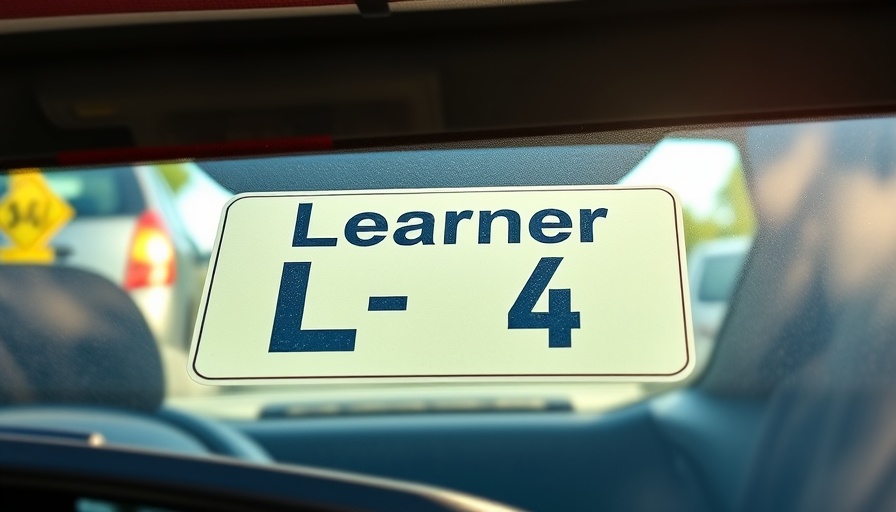
What Does the Big 'L' on Cars Mean? A Look at Learner Plates

Close-up of L plates for learner drivers on car window.

The Importance of Learning to Drive Safely

Learning to drive is a rite of passage for many individuals, symbolizing newfound freedom and independence. However, with great freedom comes significant responsibility, particularly on the road. The use of L plates is essential in signaling to other drivers that the person behind the wheel may not yet have complete control or experience. The awareness brought by these markings encourages more patience and caution from surrounding drivers, fostering a safer driving environment.

Understanding L Plates Around the World

L plates, or learner plates, are crucial safety features that are recognized globally. In the United Kingdom, they are mandatory for all learner drivers and must be displayed on both the front and back of the vehicle. Similarly, countries like Australia and New Zealand have adopted L plates, but specific regulations can vary by region. For instance, while Australia employs the classic red on white design, some states may use a different color scheme altogether. In India, L plates are equally important for learner drivers, emphasizing the universal need for a clear indication of a driver's experience level.

Who Needs to Display the L Plate?

It’s common to see L plates on the vehicles of individuals who are either new to driving or under the supervision of a qualified instructor. These groups typically include:

  • New drivers: Holding a learner's permit, they are actively honing their skills behind the wheel.
  • Driving instructors: Their cars often feature built-in L plates, signaling to others that they teach students.
  • Supervisors: Parents or guardians accompanying learners are required to use L plates during practice sessions, ensuring that other drivers exercise caution.

Regulatory Differences and Responsibilities

While learner drivers are required to obey all traffic laws, they often face additional restrictions intended to ease their transition into full driving privileges. These regulations can range from restricting the speed limit to requiring that they be supervised by a fully licensed driver at all times. The specific rules vary geographically, but common themes exist. For instance, in some regions, learners may not be allowed to drive at night or carry passengers, further enhancing road safety.

What Can Homeowners Learn From L Plates?

The use of L plates teaches homeowners a valuable lesson about safety and awareness. Just as L plates indicate a learner driver, visible signage in and around communities—like yard signs for home services or reminders for local traffic rules—can foster an accommodating environment. For instance, if a homeowner is conducting exterior renovations, using signage helps inform neighboring drivers to be cautious, just like L plates do for new drivers. This awareness can help minimize accidents and ensure that community members respect one another's space and ongoing projects.

Creating a Safer Environment for Learners

How we can institute supportive measures for both student drivers and homeowners alike is through education and community engagement. Homeowners can participate in neighborhood meetings to discuss local safety initiatives and the importance of displaying clear signage—whether on roads, for construction zones, or community events—encouraging safe practices both on and off the road. Such engagement not only fosters awareness but also strengthens community bonds, reminding everyone of the shared responsibility for ensuring safety.

Assessing the implications of L plates is more than just about driving; it's about valuing the processes that safeguard our communities. Whether you're a new learner or a homeowner looking to improve your property, encounters with L plates highlight a need for safety, patience, and understanding on the road. Let’s make a conscious effort to respect and champion the learning processes that benefit us all, ultimately creating a more harmonic drive through life.
Home Improvement Tips

6 Views

0 Comments

Write A Comment

*
*
Related Posts All Posts
01.18.2026

Verizon's $20 Credits: A Lifeline for Over 178,000 Customers Affected by Outage

Update Verizon Outage Summary: What Happened? On January 14, 2026, a significant Verizon outage disrupted connectivity across the United States, impacting over 178,000 customers. Many reported their devices displaying an "SOS" signal instead of the usual network bars, indicating a total loss of service. This frustrating issue not only affected personal communications but also raised alarms regarding public safety, as emergency services were compromised, particularly in cities like New York and Atlanta. Understanding the Cause of the Disruption Initially, there were concerns that the outage may have stemmed from a cyberattack, prompting investigations by law enforcement agencies. However, emerging evidence suggested that the root cause was more likely a technical issue rather than malicious activity. Verizon has acknowledged the situation with a public apology, stating that they did not meet the standards of reliability that customers expect. Will You Get Compensated? Here’s How To address customer grievances and restore trust, Verizon has decided to provide a $20 credit to those affected by this outage. This compensation is designed to cover multiple days of service and is not a full reimbursement for the inconvenience suffered. Eligible customers will receive a notification via text message, guiding them on how to claim their credit by logging into the myVerizon application. How to Claim Your Credit: A Step-by-Step Guide If you received a message outlining your eligibility for the $20 credit, here's what you need to do: 1) Open the myVerizon app on your mobile device or log in to your account online, 2) Follow the prompts to accept the credit, and 3) Enjoy the peace of mind that comes with a better service experience in the future. The Future of Verizon Services: Ensuring Reliability In light of this outage, many customers are re-evaluating their loyalty to Verizon. As interference from rival companies grows, Verizon’s commitment to improving service and customer satisfaction will be crucial in retaining its user base. They acknowledge the need to continuously innovate and address infrastructure issues to prevent future occurrences. The company is working diligently to restore full confidence among subscribers while taking feedback seriously. By offering a $20 credit, Verizon aims to show that they value their customers and are committed to making things right. If you've been affected, make sure to check your message notifications and log in to the myVerizon app to claim your well-deserved compensation. Your voice matters, and Verizon is listening to ensure they meet or exceed your expectations moving forward. Stay informed about your service and utilize resources like the myVerizon app to maximize your experience. With rising concerns over connectivity and service reliability, it's essential to remain proactive in your communication activities. Take advantage of bonuses and credits provided to offset any service interruptions.

01.17.2026

Stay Informed: Top Car Brands with Most Recalls in 2025

Update Understanding Car Recalls: Why They Matter As vehicle recalls continue to dominate news in 2025, it is crucial for car buyers to keep informed. The National Highway Traffic Safety Administration (NHTSA) reports reveal a staggering number of recalls, influenced by various factors, including manufacturer safety protocols and increasing vehicle complexity. Understanding who ranks highest in recalls can shape your future purchases. Ford Leads the Pack: What It Means for Consumers In 2025, Ford took the lead with a whopping 153 recalls, affecting nearly 13 million vehicles. This figure is particularly alarming as it constitutes a staggering 34% of all recalls reported among the top twelve automotive manufacturers. With such statistics, prospective buyers should carefully consider these alerts when contemplating a purchase. Ford's recalls predominantly revolve around electrical issues—27 in total. Following that, problems with back over prevention and hydrous brakes present concerning trends. For consumers, recognizing the types of issues that could emerge can empower better decision-making when evaluating safety and reliability. Comparative Insights: Other Car Brands Recalls Not only did Ford dominate the recall statistics, but the other manufacturers exhibited notable recall counts as well. Following Ford, Chrysler had 53 recalls, while General Motors and Volkswagen showed 28 and 26 recalls respectively. This disparity highlights the varying degrees of reliability perceptions across brands. It's worth noting that Honda, BMW, and Hyundai also had significant recall events, with counts ranging from 21 to 24. For those in the market for a new vehicle, aligning brand reputation with recall statistics can foster informed purchasing habits. The Seriousness of Recalls: Implications for Drivers While many recall issues may seem minor, 2025 saw 19 recalls which came with a "Do Not Drive" warning—reflecting serious safety concerns, potentially related to fire hazards or catastrophic vehicle failures. Such alerts serve as crucial indicators of the risks involved in driving a recalled vehicle. Evaluating the severity and frequency of recalls is vital for ensuring personal and passenger safety, and should factor heavily into your car-buying decisions. Your Power as a Consumer: Making an Educated Choice As the auto industry struggles with recalls, utilizing this information can give you the power to influence your choices. Remember, your safety and satisfaction should guide your decisions. Ask questions, do research, and consult recall data to understand past issues before you finalize any vehicle purchase. Knowing which brands have had the most recalls could lead you to a safer investment. The landscape of automobile recalls is continuously changing, and staying informed will help you navigate these waters effectively. For more insights into car recalls and how you can stay safe behind the wheel, consider seeking out resources from the NHTSA or your local dealership.

01.16.2026

Effortless Cleaning: A Simple Guide to Maintain Your Leather Car Seats

Update The Importance of Cleaning Your Leather Seats Leather car seats can elevate any vehicle’s interior, but like all materials, they require regular maintenance to maintain their beauty and longevity. Neglecting these seats can result in cracks, stains, and fading that diminish their appearance over time. By adopting a low-effort cleaning routine, you can ensure your leather seats remain plush and attractive. Essential Tools and Materials Before diving into the cleaning process, gather the right supplies. You will need: A vacuum cleaner with a brush attachment to remove dirt and crumbs A soft microfiber cloth, which is gentle on leather surfaces A quality leather cleaner and conditioner for deep cleaning A soft-bristled boar hair brush can be optional for deeper cleaning. These items are relatively inexpensive, making this process accessible for any homeowner! Steps for a Sparkling Clean Finish Now that you have your cleaning supplies ready, let’s walk through the steps. First, ensure your car's interior is free of stray debris; this prevents dirt from scratching your leather during the cleaning process. Using the vacuum, focus on the seams and crevices to capture pet hair, crumbs, and other small particles. Then, apply your leather cleaner onto a microfiber cloth and gently wipe the seats in a circular motion. You’ll notice how the leather’s character enhances as you clean away the grime. For even deeper cleaning, you might want to use the boar hair brush. This tool allows you to work into tight areas. Just remember, avoid over-saturating the leather with cleaner to prevent damage. The Conditioning Stage: Why It Matters After cleaning, it’s crucial to apply a conditioner to keep your leather supple and resistant to future stains. This step is often overlooked but is vital for anyone wanting to prevent cracks and brittleness. Choose a conditioner that matches your leather type—whether synthetic or genuine. Conditioning your seats not only helps to restore their sheen but also protects against the elements. It keeps the surface hydrated and can fend off minor abrasions, preserving that showroom shine! Practical Tips for Long-Term Care Your car's leather seats deserve ongoing maintenance. Make this a monthly ritual, especially if your vehicle carries children or pets, as they can contribute to grime buildup. Consider using seat covers or placing blankets to shield against spills and dirt. Additionally, always use products formulated specifically for leather to avoid harsh chemicals that could lead to damage. Conclusion: Keeping Your Car Seats Looking Like New Incorporating these simple practices into your regular cleaning routine will ensure that your leather seats remain clean and inviting. Plus, a well-maintained car is a reflection of your care for both personal hygiene and your investment. So, roll up those sleeves, gather your supplies, and treat your leather car seats to the TLC they deserve!

Terms of Service

Privacy Policy

Core Modal Title

Sorry, no results found

You Might Find These Articles Interesting

T
Please Check Your Email
We Will Be Following Up Shortly
*
*
*